

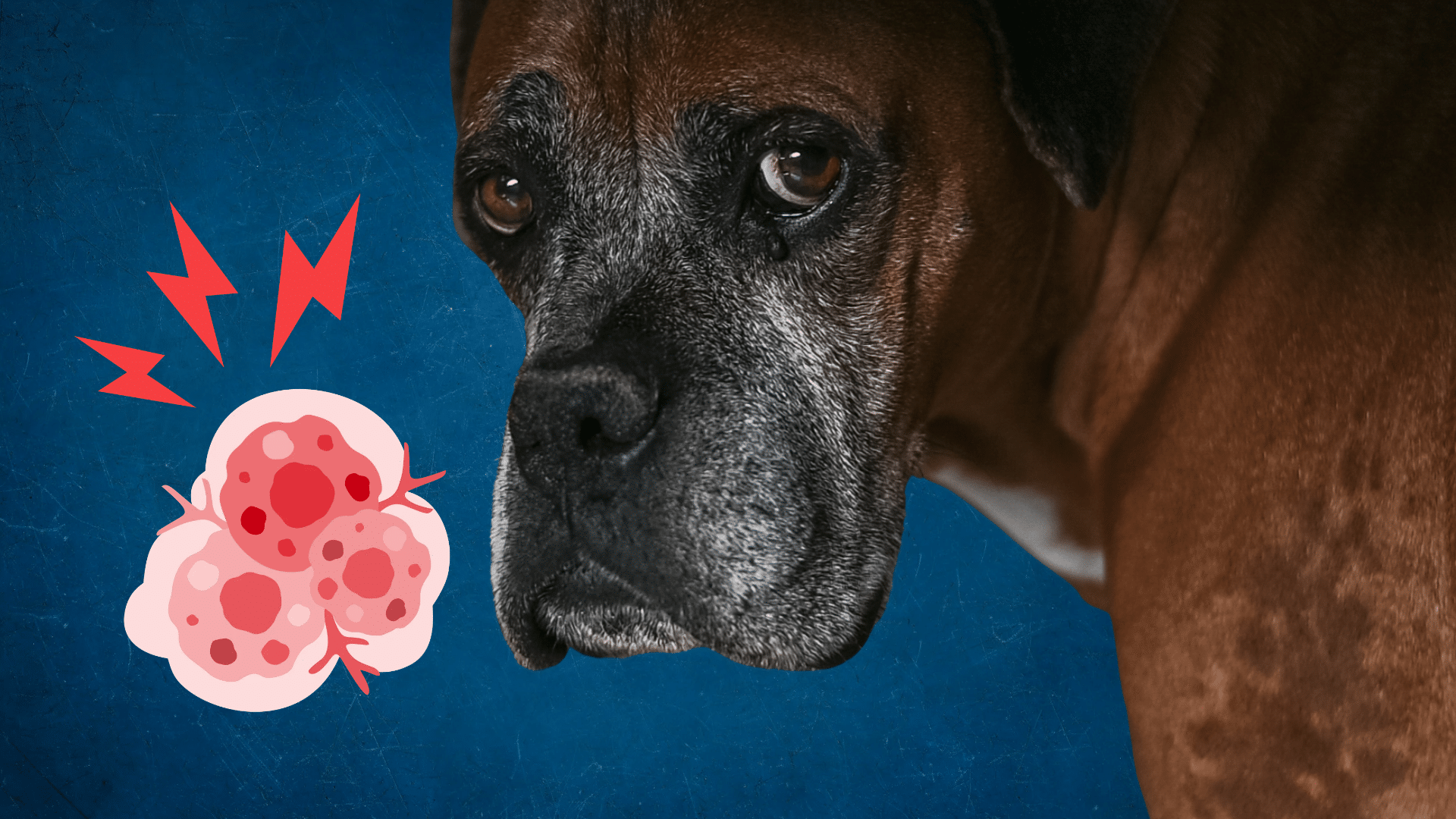
Finding a lump on your dog can raise a lot of questions. Was it there yesterday? Is it getting bigger? Could it be something serious? For many dog owners, the biggest concern is whether the unfamiliar growth could indicate cancer.
Fortunately, not every bump is a reason to panic. Dogs can develop harmless skin growths, although some lumps are cancerous. Fox Veterinary Hospital is a trusted place to turn for dog owners in Elyria, OH when something doesn’t seem right.
Are Lumps on Dogs Always Cancerous?
Many lumps found on dogs are benign, meaning they aren’t cancerous. Lipomas, for example, are fatty growths that frequently develop beneath the skin of middle-aged and senior dogs. Cysts, warts, and inflammatory reactions can also produce noticeable bumps.
However, some malignant tumors look remarkably similar to harmless growths. Cancer in dogs becomes more prevalent with age, and certain breeds have a greater risk of developing particular types of cancer. Boxers, Golden Retrievers, and several other breeds are known to have increased susceptibility to specific cancers.
What Are the Warning Signs of Cancer in Dogs?
A new growth may be the first thing you notice, but cancer in dogs can cause other changes that affect their appearance, behavior, or everyday activities.
Watch for the following potential symptoms: new or growing lumps, sores that won’t heal, bleeding from nose or mouth, weight loss, difficulty breathing, decreased appetite, and lethargy. These symptoms can occur with many different medical conditions and don’t necessarily indicate cancer. Still, you should have your dog checked out by a veterinarian.
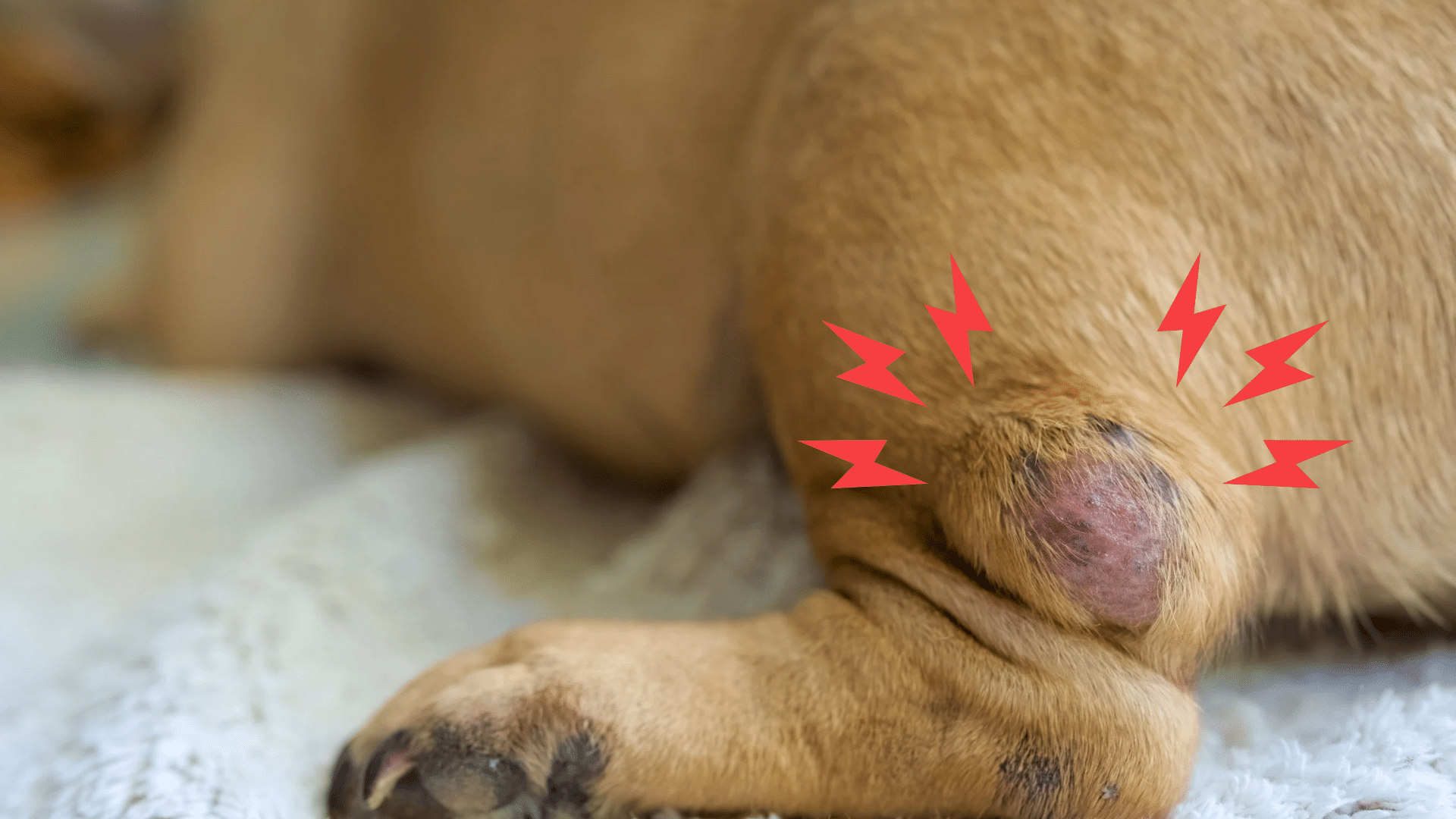
What Should I Do If I Find a Lump on My Dog?
Begin by noting the lump’s location and approximate size. You can take a photograph for reference, but avoid squeezing or trying to pop the growth at home.
Book a visit at Fox Veterinary Hospital. A veterinarian will assess the lump, consider your dog’s medical history, and determine whether the bump needs to be tested. Sometimes, a small sample of cells can be collected. Other growths may require a biopsy, which involves examining a tissue sample to determine whether cancer cells are present. Our hospital has a cryoprobe that uses liquid nitrogen to treat certain small skin growths.
How Can I Check My Dog for Lumps at Home?
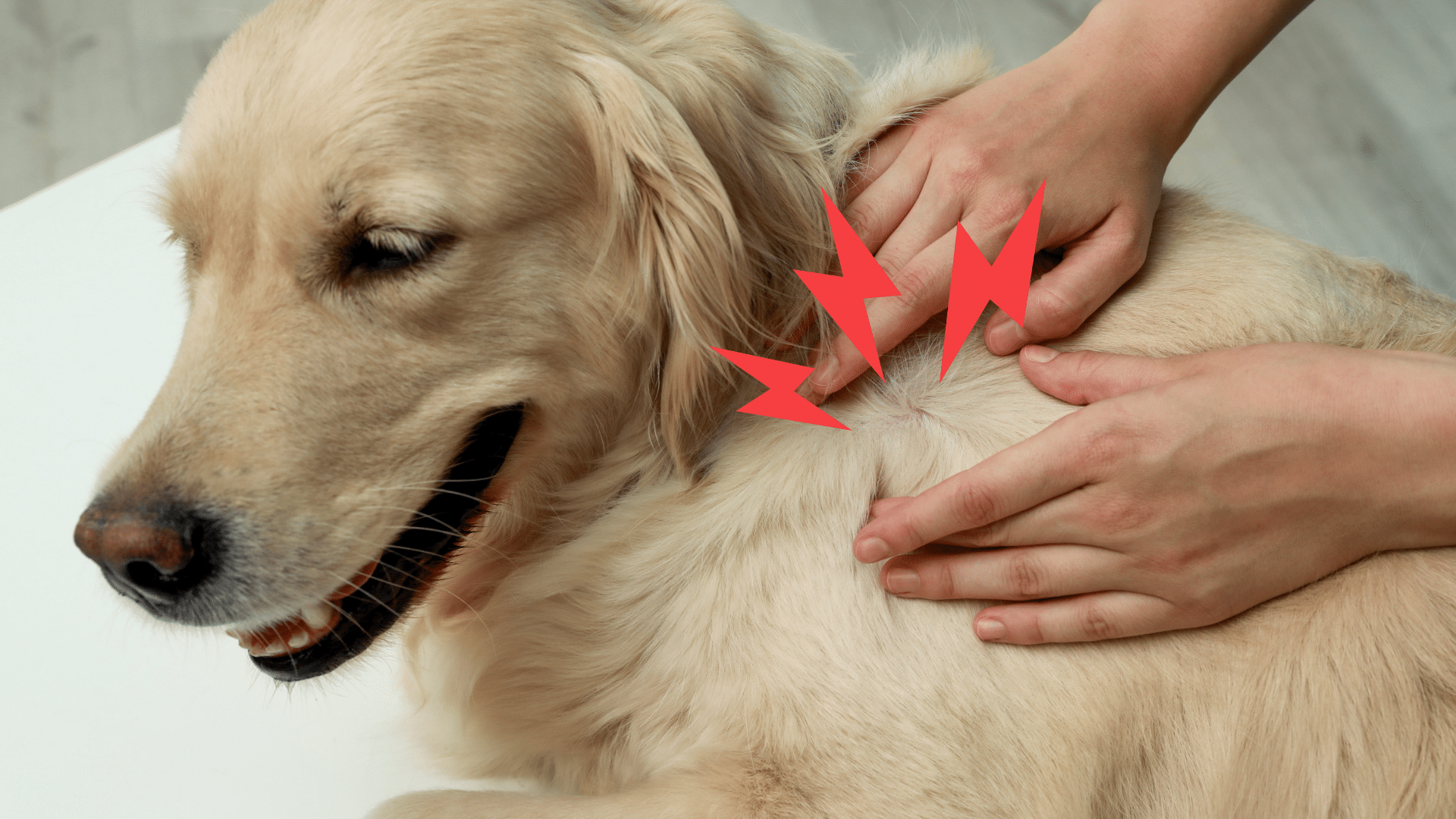
Regularly feeling your dog’s skin is a simple habit that can make it easier to recognize unusual changes. During grooming or quiet time together, gently examine their mouth, neck, chest, back, belly, and legs. Pay attention to areas that are easy to overlook, including beneath the collar, between the toes, and around the tail.
Keep a record of any new lumps, including their location and whether they’re changing. Even small, painless growths should be mentioned to your veterinarian.
Can Dogs Have Cancer Without Visible Lumps?
Yes. Some forms of cancer in dogs affect internal organs, blood cells, or other tissues and may not produce a noticeable external mass.
Instead, affected dogs might experience persistent digestive problems, unexplained fatigue, abdominal swelling, or gradual weight loss.
If your dog’s behavior, appetite, or physical condition changes without an obvious explanation, a veterinary examination can identify potential causes and determine whether diagnostic testing is needed.
Schedule a Dog Lump Examination in Elyria, OH
Discovering a lump doesn’t automatically mean your dog has cancer. However, getting an accurate diagnosis is the best way to understand what it means for your pet’s health. Fox Veterinary Hospital has served the Elyria community since 1951, providing veterinary care for dogs and cats throughout Elyria, Oberlin, LaGrange, and surrounding areas.
If you’ve noticed a new lump or an existing growth has started changing, schedule an appointment with our veterinary team. We see patients by appointment, so please contact us to arrange a convenient visit.